We conduct collaborative research to build knowledge for sustainability transitions from farms to food systems.
As an agroecology lab, we integrate methods from the natural, agronomic, and social sciences to assess outcomes of diversification practices and advance food system sustainability. Our interdisciplinary group collects and analyzes data using interviews, surveys and workshops, field observations and experiments, foresight methods and scenarios, and multivariate statistics, combined with harmonization of secondary geospatial and household survey data. Our work is based at Stockbridge School of Agriculture at University of Massachusetts Amherst in beautiful Western Massachusetts, United States.
We have three main research areas, described below.
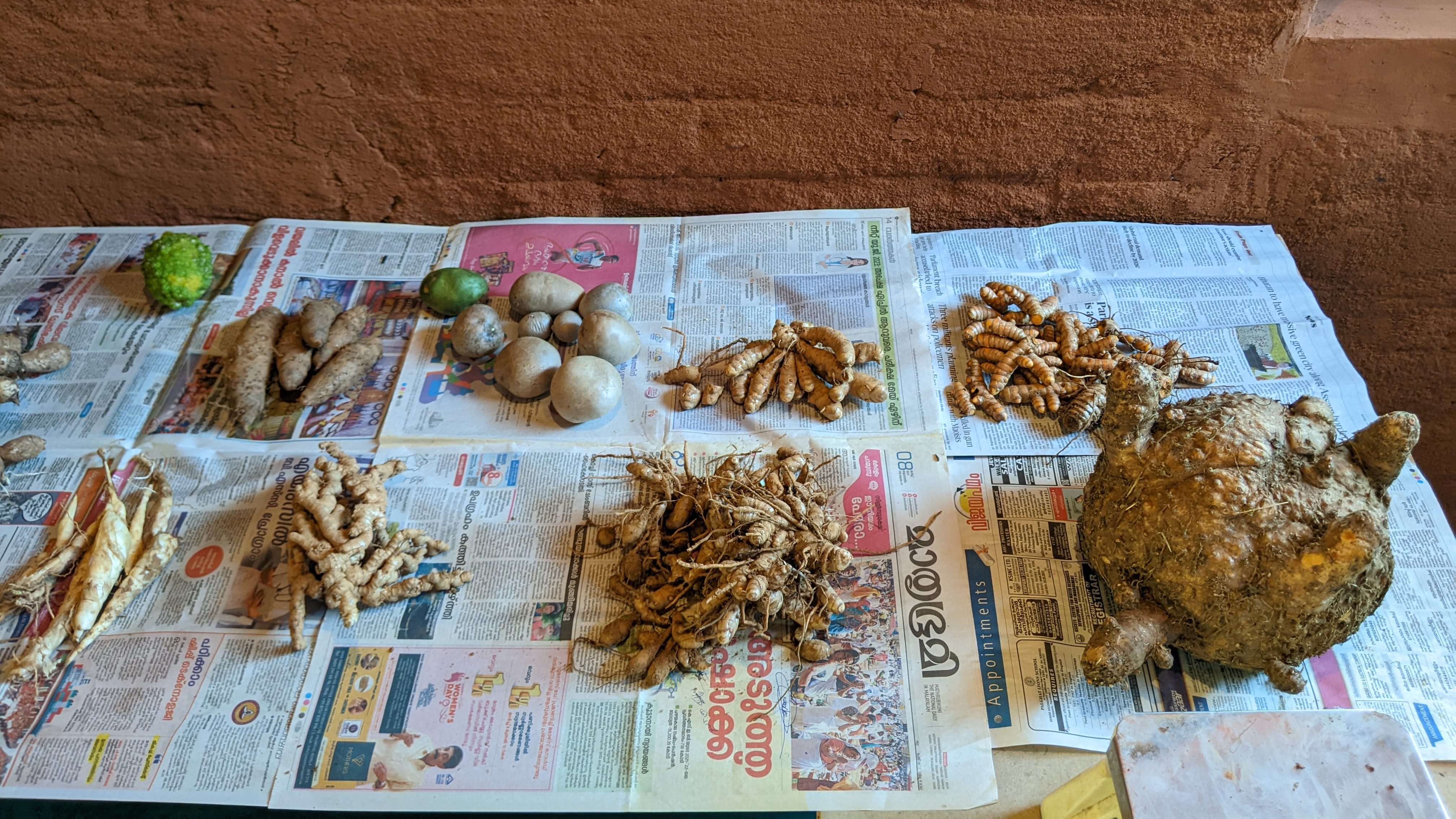
Measuring processes and outcomes of agroecological transitions
Agroecological transitions involve shifts from simplified to diversified farms and food systems. We work with farmers and other food system practitioners at different stages of transition to understand their challenges and successes, and how these evolve over time. Our research in this area aims to build knowledge on the processes and impacts of transitions in social and ecological domains, as well as across spatial scales.
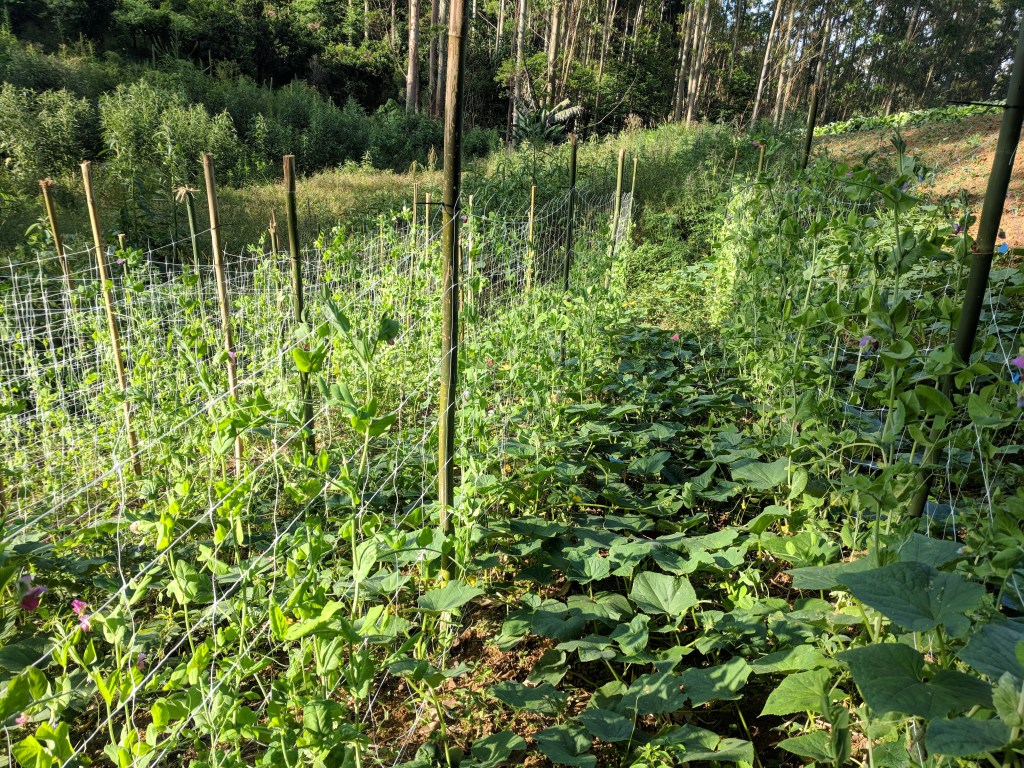
Experimenting with crop diversification
Agricultural diversity has different effects in different contexts. We collaborate with farmers to test diversification practices such as cover cropping, intercropping, agroforestry, and crop rotations across gradients of biophysical and social characteristics. This helps us identify when, where, and why diversification practices can have the best sustainability outcomes for people and ecosystems.
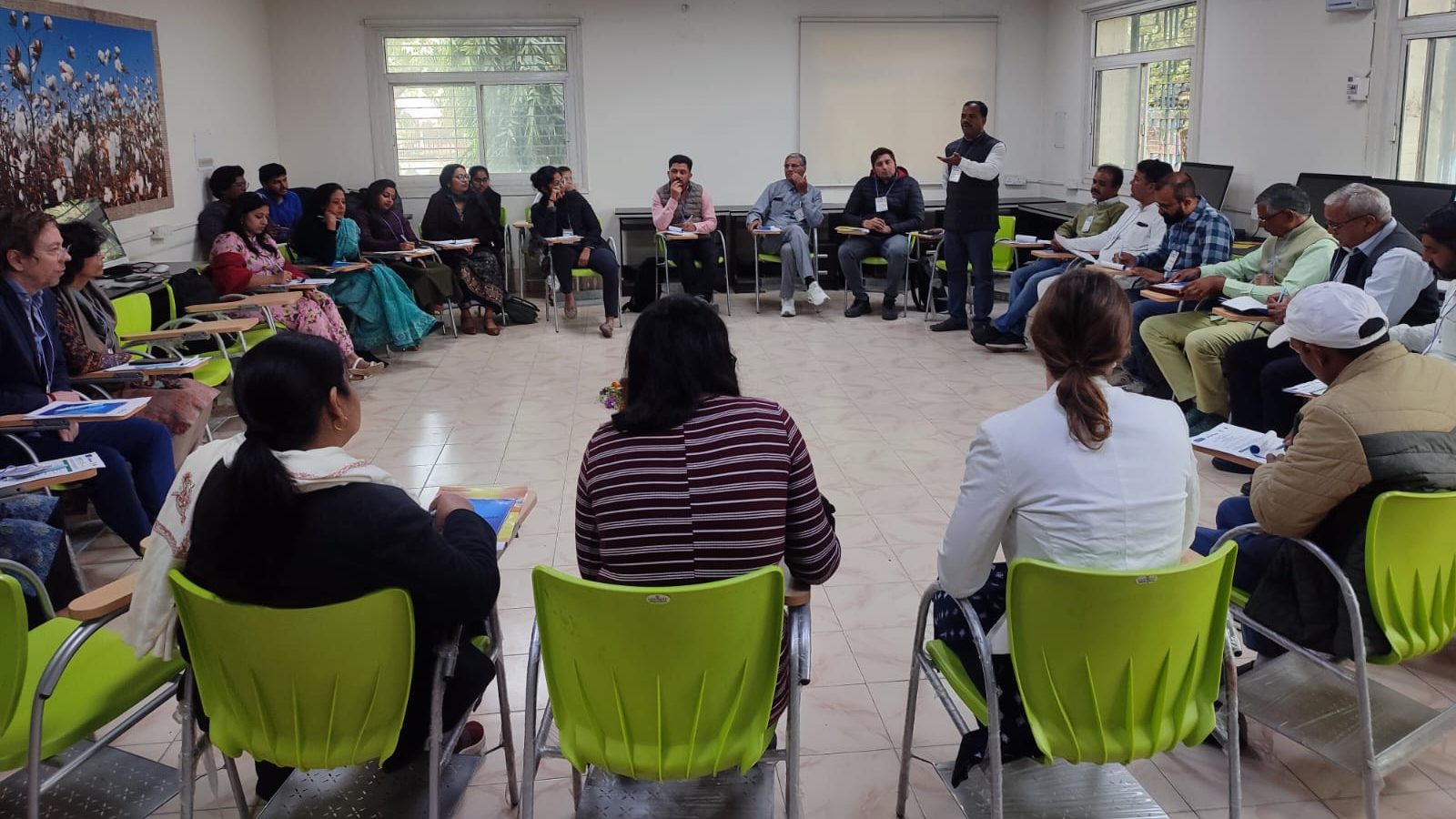
Scaling agroecology
Agroecology as a science, movement, and set of practices can help to transform food systems toward sustainability at a societal level. Yet there is still much to learn about how agroecological transitions can scale up, scale out, and scale deep to create lasting change. To foster agroecology across these scales, we synthesize data from case studies around the world to learn from what is working and what common challenges we still need to overcome. We also use foresight methods such as scenario analysis, visioning, and other tools from transformative futures thinking to identify and assess potential food system solutions.
Selected Projects
- 2024-2028: Agroecological Transitions for Climate Adaptation and Mitigation (Co-PI)
- 2022-2026: Bright Spots of Sustainable Food Systems (Postdoc)
- 2019-2026: Diversity Matters for Scaling Up Agriculture’s Benefits to Society (PhD/Postdoc)
- 2021-2022: Legume-based transitions and sustainable diets in Europe (Postdoc)
- 2016-2021: Assessing Social, Ecological, and Nutritional Outcomes of Crop Diversification: Agroecological Transitions in Southern Brazil (PhD)

